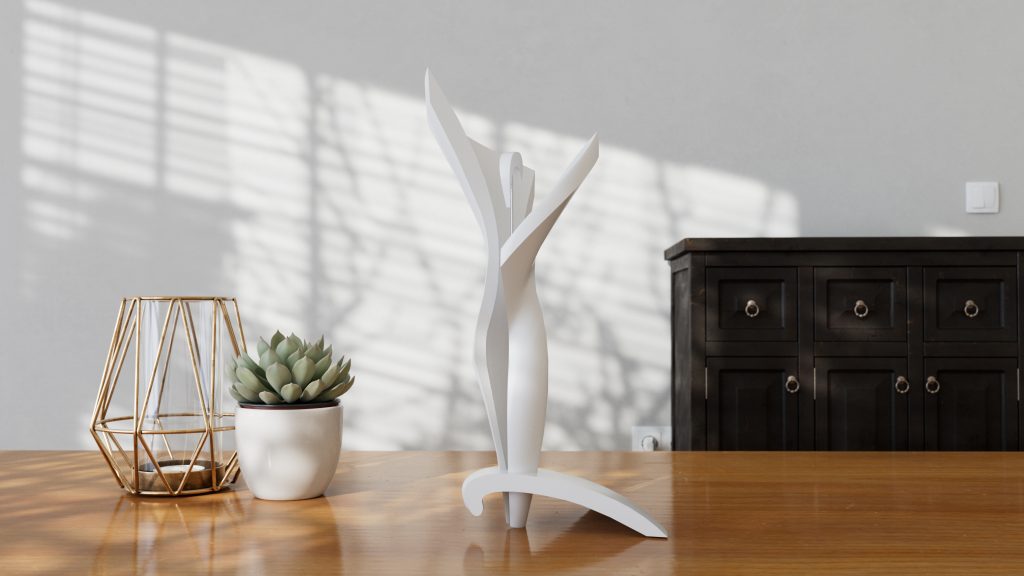
Create a digital Twin of any Object
Digitalisation
Photogrammetry and 3D modeling make it possible to capture real-world objects and environments with exceptional detail and translate them into flexible digital assets. These virtual replicas can be animated, modified, or integrated into interactive experiences — opening new creative possibilities across industries.


Digitalisation
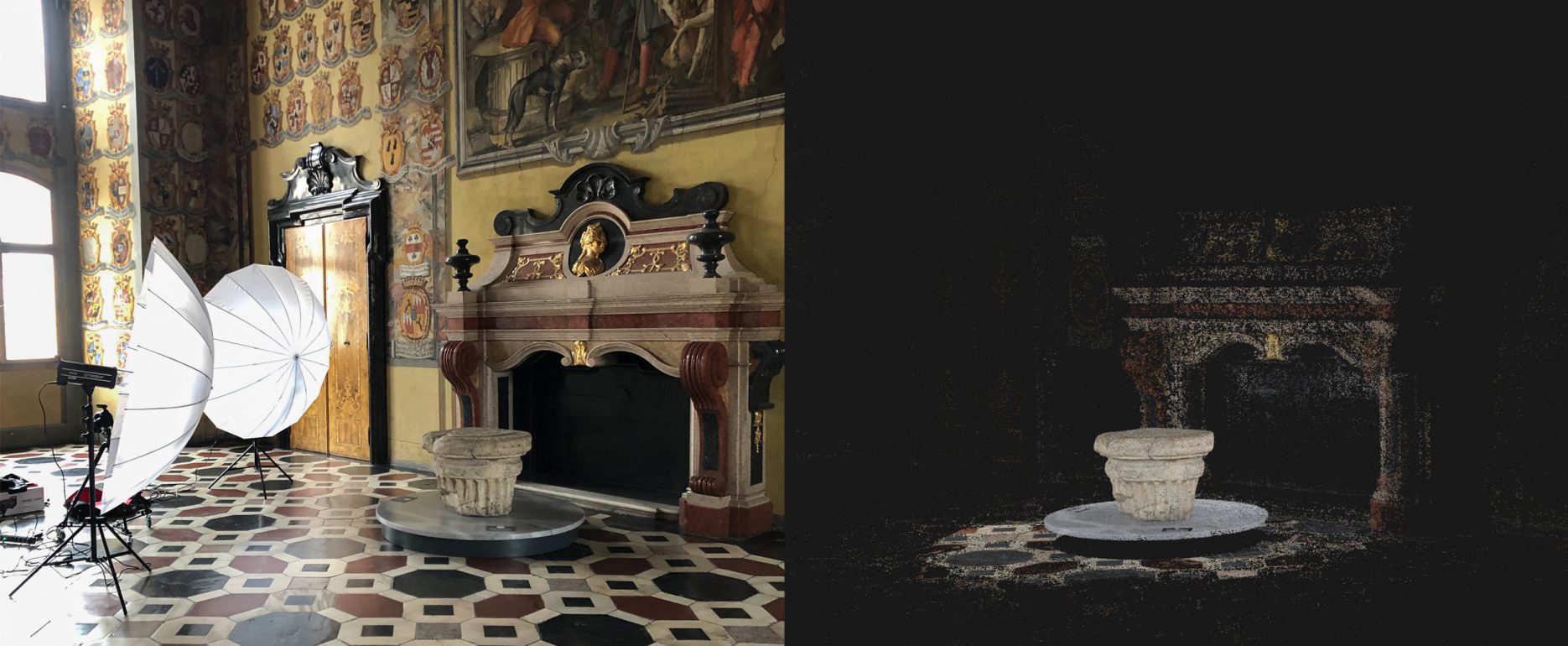
3D scanning plays a vital role in the preservation and study of cultural heritage by creating accurate, high-resolution digital records of artifacts, monuments, and historical sites. These detailed digital models enable researchers, conservators, and educators to analyze and share cultural assets without risking damage to the originals.


cultural heritage
3D scans enable the development of virtual exhibitions, inform precise restoration strategies, and foster public engagement through immersive interactive experiences.


Technology
—Advanced Workflow
Advanced photogrammetry workflows integrate techniques such as coded targets, cross-polarized photography, and calibrated color management to achieve the highest levels of geometric and visual fidelity. Coded targets enhance alignment accuracy and scalability in complex scans, while cross-polarized lighting minimizes surface reflections, revealing fine details and true texture.


Technology
—Advanced Workflow
Consistent color calibration ensures that captured data maintains accurate color reproduction across devices and conditions.


Application
Photogrammetry-based 3D assets can be brought to life in animations, AR/VR experiences, virtual showrooms, or even 3D prints. They’re versatile building blocks for interactive content, immersive storytelling, and high-impact visual communication across platforms.


Track Record
— clients include:
University Bonn, University Zürich, Landesmuseum Kärnten, Universalmuseum Joanneum, Pfizer, MSD, Red Bull, VW, Jung von Matt, Novos, Magenta, BBC/ORF, Legero Superfit, Servus TV